

Welcome to the Fiction Emailer: A newsletter that aims to make sense of our chaotic world through the lens of ‘Speculative Journalism & Fiction’ by rayaan_writer. Find here long-form essays and interviews that will help you think clearer, read sharper, write better, and look forward to an optimistic future. Visit my site to know more.
You Can Unsubscribe Anytime. No Hard Feelings
Join My WhatsApp Channel: Every other day, I send you one article worth your time… curated for people who think before they scroll. [Link]
Quick Note on Today’s Edition: Every writer I know struggles with the same thing: how do you convince a stranger to care about what you’ve written? I went looking for answers and found them in an unlikely place: a screenwriting book by Blake Snyder and the deuteragonists (side-characters) of fiction. Let’s dive in.
How to Find a Hero to Read Your Writing
People struggle to make strangers read their work.
Storytellers often say that you need to be good at copywriting to persuade someone to dive into your way of thinking or how you solve a problem.
To crack this code, I referred many other works. Author and screenwriter Blake Snyder stood out. He earns the readers’ trust right at the introduction of his book “Save the Cat: The Last Book you will ever need on Screenwriting”. (Refer to my highlights below).
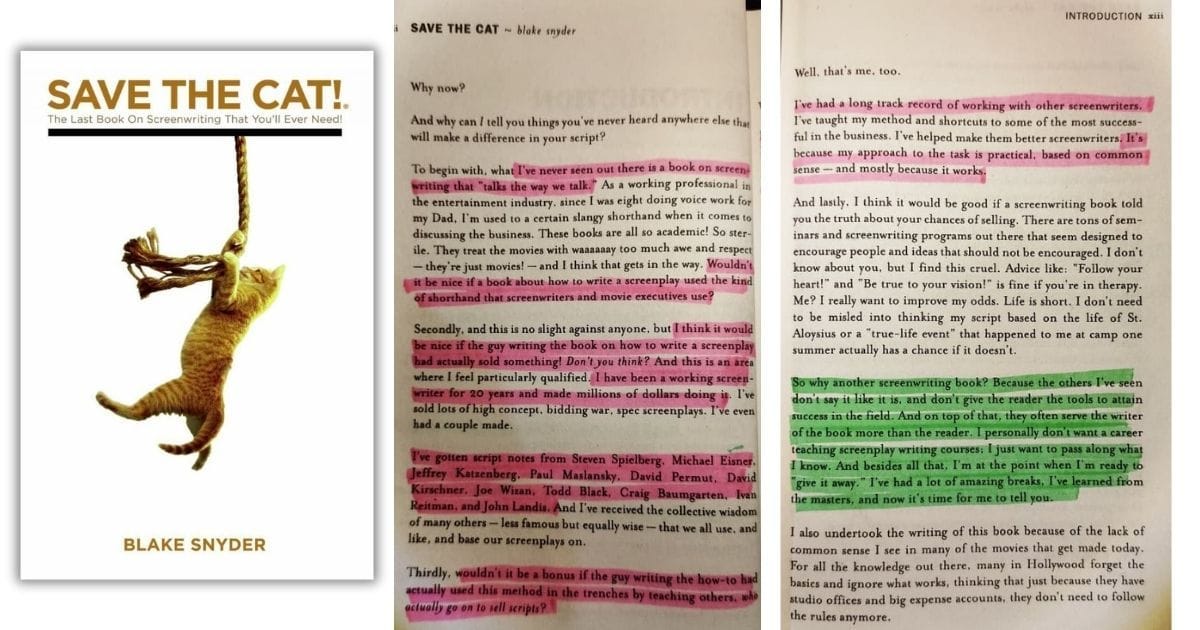
The intro follows a clear recipe:
Why is there a need for his book
Why he is the right person to write the book
What you can expect out of the book
What makes his work credible
How can you practically apply this book
Whenever I get started to write an edition, I can use such questions as a self-reflection (after I replace ‘book’ with ‘newsletter’). Blake’s style of convincing follows a foundational fiction story arc told over millennia: the sidekicks are the real storytellers, not the heroes.
Here’s what I mean: a hero’s journey in fiction often starts with an invite from a side-character, a deuteragonist. The hero embarks on an adventure, a quest to find answers, win love or riches in faraway land, or it’s a journey of redemption, revenge, or meaning.
Consider the stories below:
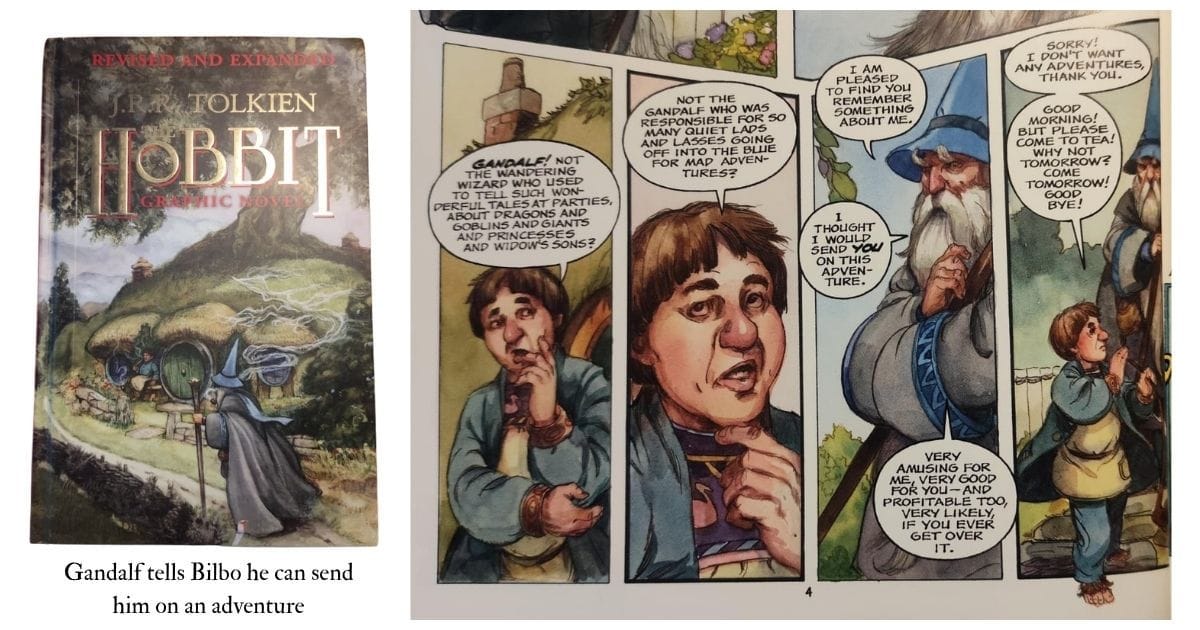
In Lord of the Rings, Bilbo Baggins is gate-crashed by Gandalf and is urged to leave Hobbiton for Mordor.
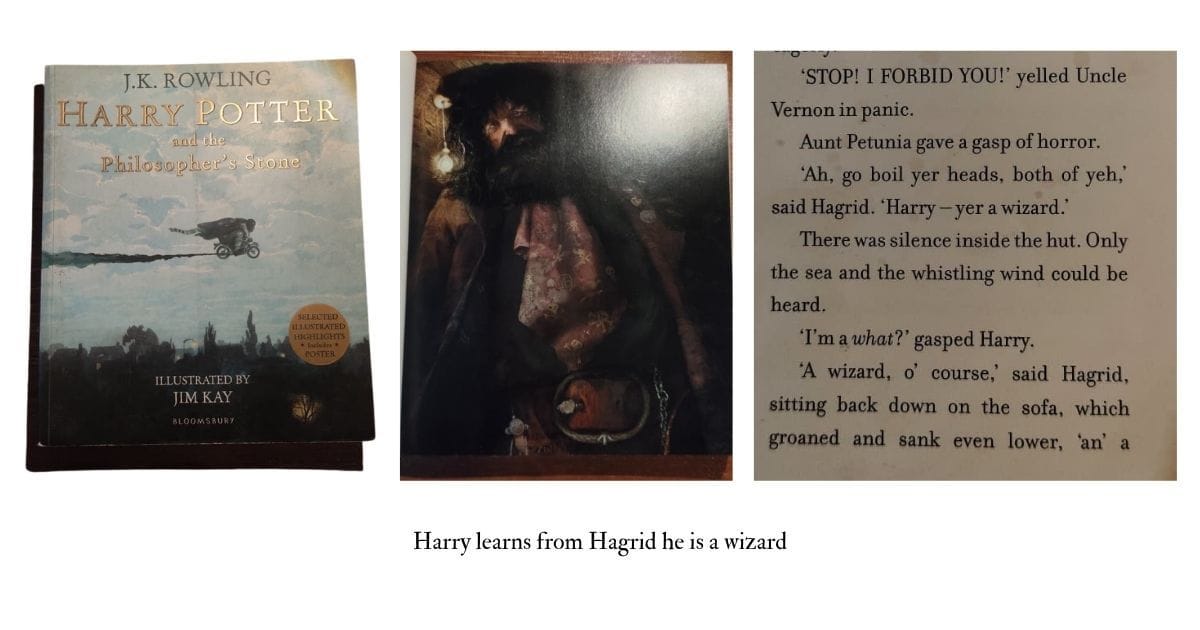
Harry Potter is a quiet kid in Privet Drive until Hagrid turns up and informs him he’s a wizard.
Side-characters want the hero to push themselves, and taste an optimistic tomorrow or become a symbol of hope. They understand every hero has a problem. But deuteragonists know how to pull the right levers so the hero can go onto the right path.
As I started writing The Fiction Emailer, it was naturally tempting to write for everyone but I knew I would spread myself too thin. I had to find my right heroes: readers who face a specific problem and need the right deuteragonist to help them move forward.
To figure this out, I studied how the newsletters I admire filtered their own heroes. What problems did they write toward? How did their voice sharpen as their audience narrowed?
I mapped those patterns alongside Blake Snyder’s five questions, borrowing from both to understand who The Fiction Emailer is actually written for.
Figuring out this bit helped me find the right reader (my hero). I’m certain that this decision will eventually help in building a newsletter that is worth returning to, even after a platforms’ rules are changed.
And that’s all for today!
Did you like reading this edition? Should I do better? Please don’t hesitate to offer me your feedback. I am open to ideas and suggestions.
Feel free to reach me at rayaanjournalist@gmail.com or you can simply reply to this email or comment below. See you soon! 😊❤️